
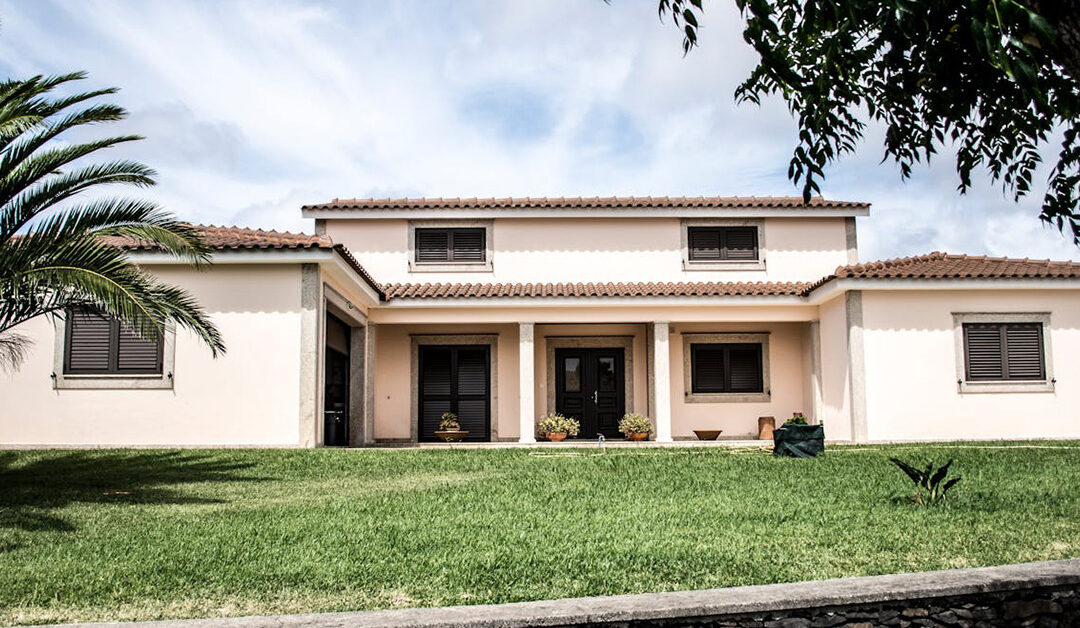
Something meaningful is happening at the very top of the residential market in Bengaluru—and it’s not visible on property portals or glossy launch campaigns.
India’s second-time wealthy tech founders—post-exit, post-IPO, post-ESOP liquidity—are changing how they buy homes. Not loudly. Not impulsively. But with intent. And the shift goes far beyond lifestyle preferences.
They are no longer buying:
- 40–50 floor luxury towers
- Crowded gated communities with hundreds of co-owners
- “Investor-favourite” matchbox apartments dressed up as premium
Instead, they’re choosing:
- Private estates
- Low-density villa communities
- Farm-luxury hybrids
- Branded plotted mansions in tightly held pockets
Not for returns alone—but for control, privacy, and long-term alignment with how they want to live and preserve capital.
This Isn’t a Status Shift. It’s a Bandwidth Shift.
At a certain stage of wealth creation, the problem founders are solving for changes.
The first home is emotional.
The second is aspirational.
The third is strategic.
For many founders, even very expensive apartments have started to feel like cognitive noise.
Too many neighbours.
Too many rules.
Too many variables outside their control.
What they are optimising for now is:
- Mental bandwidth: fewer decisions, fewer interruptions
- Family privacy: not just inside the home, but around it
- Wellness: space, greenery, and slower daily rhythms
- Legacy ownership: assets that still make sense 15–20 years out
This shift is emotional—but it’s also deeply rational.
Apartments vs Private Estates: A Structural Difference
Here’s the distinction most buyers realise only in hindsight.
Apartments are consumption assets.
They deliver convenience, security, and lifestyle—but with limited control.
Private estates are capital-preservation assets with lifestyle control.
They combine daily use with long-term defensibility.
Apartments concentrate risk:
- High density
- Homogeneous supply
- Shared governance
- Exit dependent on broader market sentiment
Private estates distribute risk:
- Low density
- Scarce, hard-to-replicate supply
- Individual control over land and structure
- Exit driven by niche but resilient buyer pools
At ₹10–₹25 crore, this difference stops being philosophical and becomes financially material.
The Biggest Lie in Luxury Real Estate
“This will appreciate for sure.”
No luxury property appreciates automatically.
Real appreciation happens only when multiple factors align:
- Micro-market depth: real buying power, not just interest
- Developer credibility: proven across cycles, not just launches
- Tenant demand at premium rents: demonstrated, not assumed
- Limited future supply: structural, not regulatory
- Resale absorption at your ticket size: not hypothetical
Yet most buyers are sold narratives:
- Upcoming metro lines
- Airport connectivity
- Future social infrastructure
- Generic “reputed developer” claims
What’s rarely explained—but matters far more—is:
- Who will buy this from you at ₹22 crore?
- How long will that realistically take?
- What discount applies if you need liquidity under pressure?
At ₹10 crore+, hope is not a strategy.
Data, depth, and deal structure are.
Why Founders Prefer Estates Over Towers
Founders understand optionality better than most.
Private estates offer:
- Fewer co-owners and clearer governance
- Greater discretion in transactions
- Customisation without layers of permission
- Cleaner exit narratives at higher ticket sizes
Just as importantly, they attract a different peer group.
And at this level, who your neighbours are often matters more than what amenities you share.
Social density and ownership quality play a silent but decisive role in long-term satisfaction—and exit confidence.
Luxury Has Been Redefined—and It’s Not About Marble
Earlier, luxury meant:
- Bigger
- Taller
- Shinier
- More expensive
Today, luxury means:
- Who introduced you to the deal
- How private the transaction is
- How quickly you can close
- How clean the documentation is
- How easily you can exit
- How little noise surrounds your ownership
True luxury today is curated access.
That’s why many of the best homes:
- Are not listed on portals
- Are not broadcast on WhatsApp
- Are not available to everyone
They move quietly, within trusted networks, with minimal public visibility.
The Smart Money Has Already Moved
This shift isn’t theoretical. It’s already underway.
Founders who’ve built and exited companies understand cycles. They know capital preservation matters as much as capital growth. And they’re aligning their real estate choices accordingly.
Apartments will always have demand.
But the most discerning buyers are quietly choosing assets that give them:
- Control over their environment
- Clarity over their capital
- Confidence in long-term outcomes
The broader market will eventually follow.
As always, the smartest money moves first—and quietly.